Samsung Exynos 2700 Emerges in Early Geekbench Listings
The future of mobile processing has come into sharper focus as the Samsung Exynos 2700 emerges in preliminary benchmarking data. Samsung appears to be making significant strides with its next-generation silicon, which is widely expected to power the European variants of the upcoming Samsung Galaxy S27 series. Consequently, these early scores provide a fascinating glimpse into the performance leaps we can expect from the 2nm manufacturing process.
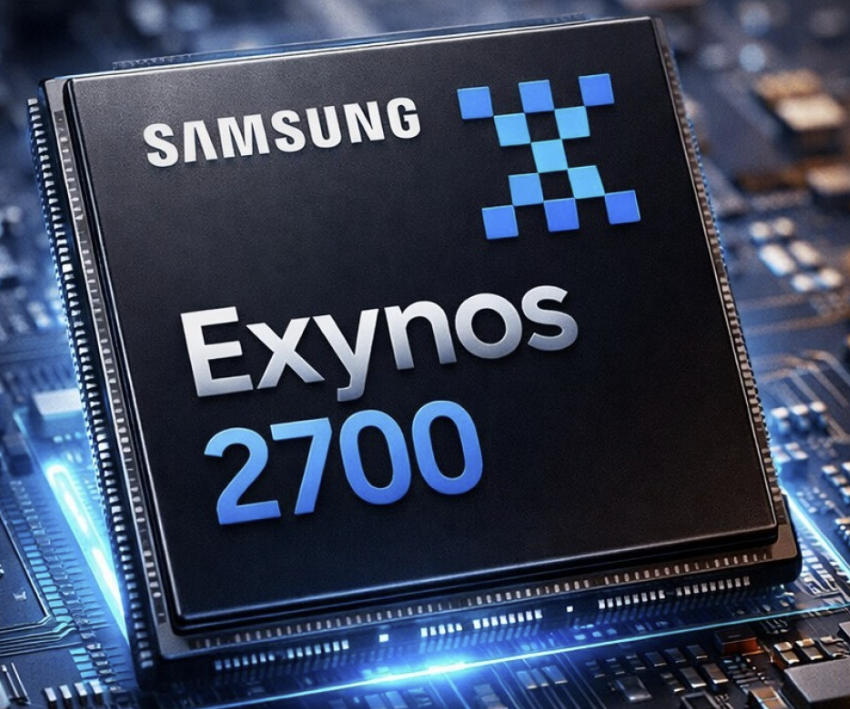
Technical Breakthroughs and Benchmark Scores
The most compelling detail as the Samsung Exynos 2700 emerges is the leap in multi-core efficiency. Specifically, the chipset appeared on Geekbench 6 with a single-core score of 2,850 and a multi-core score of 9,200. Furthermore, the listing reveals a 10-core CPU architecture, including a new “Ultra-Core” designed to handle intensive AI tasks and high-end gaming with minimal power draw.
- Next-Gen Graphics: The chip features the Xclipse 950 GPU, built on the latest AMD RDNA 4 architecture. As a result, mobile gamers should see a 30% improvement in ray tracing performance.
- Thermal Efficiency: The transition to a 2nm node means the chip can run at higher clock speeds without overheating. Additionally, this should lead to better sustained performance under heavy workloads.
- On-Device AI: The integrated NPU is reportedly twice as fast as its predecessor. Notably, this allows for more complex “Agentic AI” tasks to be processed locally on the handset.
Analysis: A New Era for Exynos Silicon
The organisation of the Exynos 2700 project suggests that Samsung is determined to close the gap with its Qualcomm counterparts. Therefore, by leveraging its own 2nm foundries, Samsung is aiming to prove that its in-house silicon can match the stability and speed of the Snapdragon 8 Elite series. While previous generations faced criticism for thermal throttling, the fact that the Samsung Exynos 2700 emerges with such strong early numbers is a very positive sign for 2027.
Our Insight: We believe the focus on the NPU is the key to this chip’s success. Because future smartphones will rely heavily on background AI assistants, having a processor that can handle these requests without draining the battery will be the primary selling point for the next flagship generation.
Tips for Tracking Mobile Performance Leaks
If you are following the news as the Samsung Exynos 2700 emerges, consider these tips for interpreting benchmark data:
- Look for Consistency: One high score can be an outlier. By waiting for multiple listings of the same model number, you get a much more accurate picture of the final production hardware.
- Compare Thermal Data: Specifically, look for “sustained performance” tests. A chip that scores high but drops its speed after five minutes is less useful for gaming than a slightly slower, stable chip.
- Identify Model Numbers: Notably, Samsung usually uses the “S95” or “S96” designation for its flagship chips in development. Knowing these codes helps you spot authentic leaks on technical forums.
Final Thoughts
The moment the Samsung Exynos 2700 emerges in the wild, the race for 2027 dominance officially begins. By pushing the boundaries of the 2nm process and integrating advanced AMD graphics, Samsung is positioning its next flagship to be a true performance powerhouse.