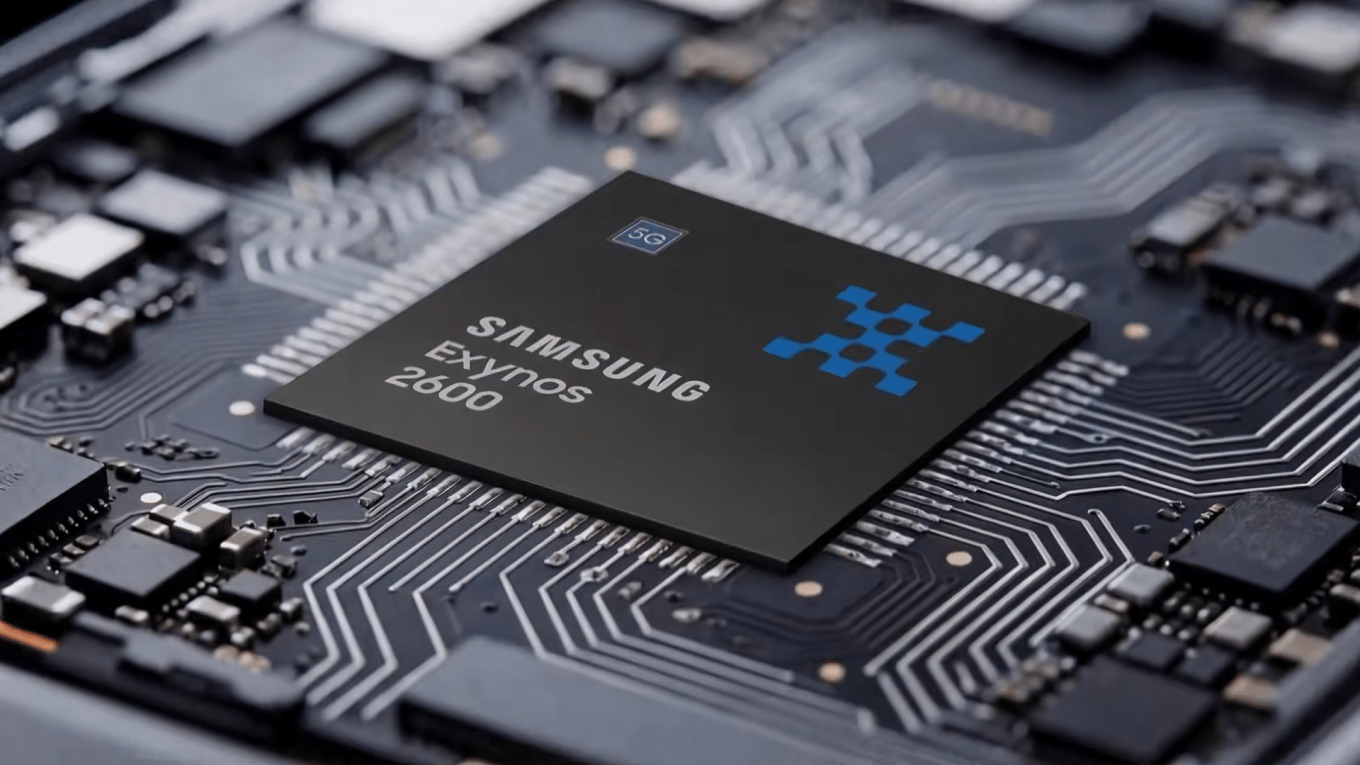
Samsung Foundry Surpasses 80% Yield on 4nm Chips
The global semiconductor race has reached a new milestone as Samsung Foundry surpasses 80% yield on 4nm chips, according to recent industry reports. Samsung has successfully refined its manufacturing processes to a level that rivals the industry’s top competitors. Consequently, this breakthrough provides a significant boost to the organisation‘s ability to supply high-performance silicon for the next generation of mobile devices and AI hardware.
Technical Stability and Production Efficiency
The core of the report that Samsung Foundry surpasses 80% yield on 4nm chips lies in the improved stability of the 4nm fabrication process. Specifically, a yield rate above 80% is considered the “golden standard” for mass production, indicating that a vast majority of the chips on a single wafer are functional and meet performance standards. Furthermore, this efficiency allows Samsung to offer more competitive pricing to major clients like Qualcomm and Nvidia.
- Improved Thermal Consistency: Higher yields often correlate with better chip quality. As a result, devices using these 4nm chips are expected to exhibit more consistent thermal management and power efficiency.
- Supply Chain Reliability: Additionally, this milestone ensures a steady supply of processors for the Samsung Galaxy S26 series and mid-range A-series devices.
- Competitive Edge: Notably, reaching this yield rate narrows the gap between Samsung Foundry and TSMC, fostering a more competitive market for semiconductor manufacturing.
Analysis: A Strategic Win for Samsung Silicon
The organisation of Samsung’s foundry division has faced scrutiny in the past regarding yield rates for advanced nodes. Therefore, the news that Samsung Foundry surpasses 80% yield on 4nm chips is a powerful rebuttal to critics. While the industry is already moving toward 3nm and 2nm production, the 4nm node remains the “sweet spot” for most modern electronics, from high-end smartphones to automotive tech.
Our Insight: We believe this stability is exactly what Qualcomm needs for its future “s” and “G” series chips. Because Samsung can now guarantee high volumes of high-quality silicon, we are likely to see more diverse chipsets appearing in the UK’s mid-to-high-end smartphone market throughout the remainder of 2026.
Tips for Understanding Semiconductor Benchmarks
If the report that Samsung Foundry surpasses 80% yield on 4nm chips has you curious about the hardware inside your phone, consider these tips:
- Check the “Node” size: Smaller numbers (like 4nm vs 7nm) generally mean more transistors can fit in a smaller space. By choosing a device with a 4nm or smaller chip, you are ensuring better battery life.
- Look for Manufacturer Designations: Specifically, pay attention to whether a chip is made by Samsung or TSMC in technical reviews. This can sometimes explain differences in heat levels between two phones using the same processor.
- Prioritise Efficiency Over Raw Speed: Notably, a chip with a high yield rate like these new 4nm units often runs “cooler,” meaning it won’t slow down (throttle) as much during long gaming sessions.
Final Thoughts
The fact that Samsung Foundry surpasses 80% yield on 4nm chips is a testament to the company’s persistence in engineering excellence. By mastering this complex manufacturing node, Samsung has solidified its position as a primary engine for the global tech economy, ensuring the next wave of gadgets is both powerful and plentiful.