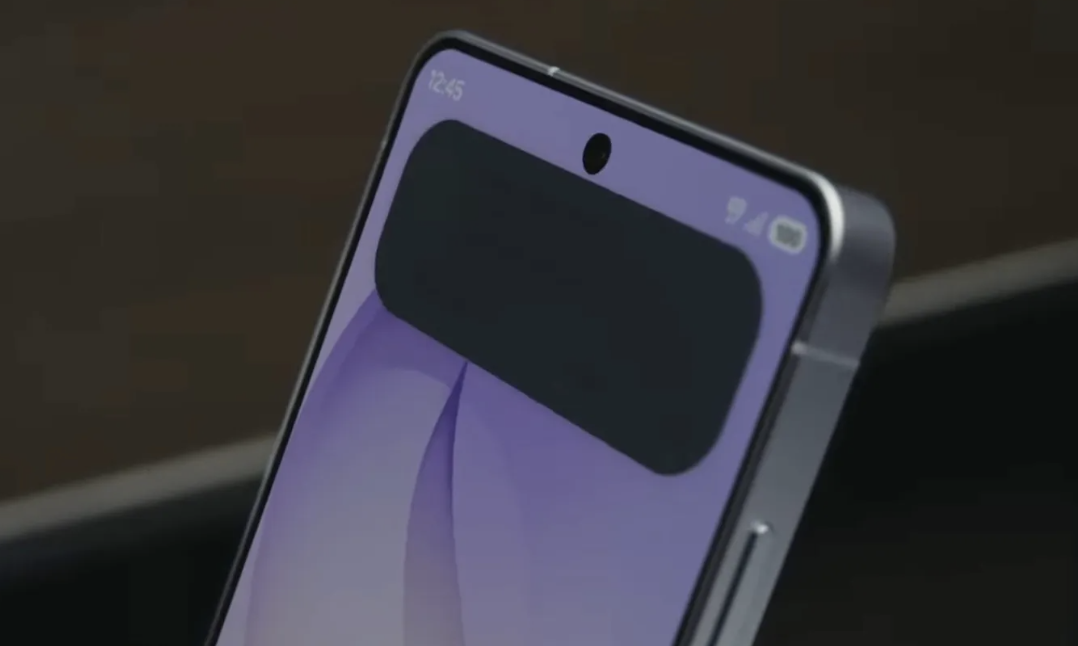
Galaxy S27 Series to Feature Privacy Display Technology
The premium smartphone landscape is bracing for a major security upgrade following recent industry leaks. For anyone concerned about over-the-shoulder snooping in public spaces, a Galaxy S27 series to feature privacy display technology rollout is now officially on the cards. Fresh reports from the supply chain indicate that the tech giant plans to democratise its advanced anti-peeking tech by including it across the entire upcoming flagship lineup.
Flex Magic Pixel Panels Go Mainstream
The core discovery behind the news that the Galaxy S27 series to feature privacy display technology stems from a report by The Elec. Previously, the clever hardware trick was heavily tipped to remain an exclusive feature for the top-tier Ultra model. However, the manufacturer completely shifted gears after a supply deal with a third-party panel provider fell through, meaning the entire family will now use premium in-house glass.
- Four Models Covered: The anti-spy feature will protect the base vanilla model, the Plus, the brand-new compact 6.47-inch Pro variant, and the Ultra.
- A Clever Subpixel Split: The technology divides the OLED panel into two separate sets of subpixels. One set handles standard, wide viewing angles, while the second set features narrow viewing angles that remain active all the time.
- The Anti-Snooping Mode: When you toggle the mode on, the wide-angle subpixels simply black out. The user sees a perfect, crisp image from the front, while a nosy neighbour sitting next to you on the train sees absolutely nothing.
Why a Galaxy S27 Series to Feature Privacy Display Technology Matters
While smartphone brands traditionally focus on chasing meaningless camera megapixels or software-heavy AI processing tools, this hardware-level upgrade tackles a genuine, real-world issue. Investing in a Galaxy S27 series to feature privacy display technology device means you can wave goodbye to those clunky, plastic third-party screen protectors that make your screen look dim and grainy. Because this setup is fully integrated into the panel, you can activate it seamlessly for sensitive apps like banking or private messaging.
Our Insight: Industry forecasts show that consumer demand for hardware-level screen security is absolutely skyrocketing. Shipments of privacy-enabled panels are projected to shoot up from 1 million units last year to a massive 29 million by next year. By locking down its supply chain early, the South Korean firm is securing a massive 18-month lead over rivals before competitors can scale alternative systems.
Tips for Protecting Your Mobile Security in Public
If you are waiting for the early 2027 launch window to upgrade your mobile security footprint, keep these helpful digital hygiene practices in mind:
- Configure App-Specific Automation: Once the new hardware lands, dive into the system settings to map the anti-peeking filter to specific software triggers. This allows the system to engage automatically whenever you launch financial portals or password managers.
- Audit Front Camera Permissions: Until hardware blocks become standard, stay mindful of applications requesting constant access to your front-facing sensor. Some current software filters use the camera to detect bystanders, which drains battery life unnecessarily.
- Invest in Drop Protection: Because the integrated subpixel layers are sophisticated piece of engineering, replacement costs for damaged panels will carry a premium. Always pair high-end displays with a sturdy, shock-absorbing bumper case.
Final Thoughts
The unexpected decision to bring advanced panel security to every single user shows a welcome shift toward high-utility consumer hardware. By packing this dual-pixel tech into everything from the entry-tier model to the Ultra, the brand delivers a highly practical tool for the modern digital workspace.