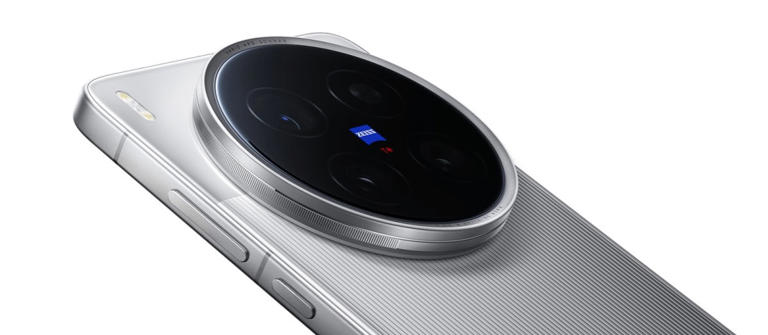
vivo X300 Ultra Goes Global: What It Signals for Android Flagships in 2026
The Android flagship race is heating up again—this time with fresh evidence that the vivo X300 Ultra is preparing for a wider international launch. After earlier European clearance, a new certification in Indonesia (TKDN)—listing the device under model number V2562—adds more momentum to the ongoing rumor: the X300 Ultra is going global.
If you’ve been watching Android phones over the past few years, you know this matters. Some of the most interesting Android hardware (especially camera-focused “Ultra” models) has often launched in limited regions. A broader release could mean more competition in markets dominated by the usual suspects—and better choices for buyers.
Below is what the certification news suggests, what the rumored specs could mean in real-world use, and how to decide whether a 2026 Android “Ultra” phone is worth waiting for.
What a new certification really means (and why you should care)
Certifications like TKDN in Indonesia typically appear when a company is actively preparing to sell a device in that region. While certification alone doesn’t confirm an exact release date, it’s often one of the last visible “paper trails” before a launch.
Why it matters for Android buyers:
- More global availability usually means better software support, clearer warranty paths, and easier access to parts/accessories.
- Wider launches often push competitors to respond—leading to faster price drops and improved features across the Android ecosystem.
- Global releases can reduce the hassle of importing (and potential issues with bands, payments, or region-locked features).
Rumored vivo X300 Ultra specs: what they mean in everyday use
The leak mill points to a very high-end Android phone, with flagship trends that are worth understanding even if you’re not set on vivo.
1) 6.82-inch LTPO QHD+ display
An LTPO panel can dynamically adjust refresh rate to save power (e.g., 1Hz for static content, 120Hz for scrolling).
Buyer tip: If you read a lot or use Always-On Display, LTPO can make a noticeable difference in standby efficiency—especially at QHD+ resolutions.
2) Snapdragon 8 Elite Gen 5 (rumored)
A top-tier Snapdragon typically signals:
- Strong sustained performance (gaming, video editing, multitasking)
- Better on-device AI features (photo processing, voice tools, summarization)
- Improved modem efficiency (battery life, thermals)
Practical advice: Don’t just look at the chipset name—watch for:
- Cooling design (vapor chamber size)
- Battery capacity and charging curves
- Long-term performance throttling tests
3) 200MP camera hardware (rumored)
A 200MP main camera doesn’t automatically mean better photos—but it often enables:
- Pixel binning for brighter low-light shots
- More flexibility for cropping
- Potentially improved digital zoom quality
What to look for beyond megapixels:
- Sensor size (bigger usually helps)
- Lens quality and stabilization (OIS)
- Color science (skin tones, HDR consistency)
- Shutter speed and motion handling (kids/pets indoors)
The bigger picture: why global “Ultra” phones are good for Android
Android buyers benefit when more brands bring their best devices outside their home markets.
More competition in premium cameras
If vivo ships a true global camera flagship, it pressures other makers to improve:
- Telephoto quality (less “AI smudge”)
- Night video performance
- Natural portrait processing
Better value flagship pricing
When more “Ultra” options exist, pricing becomes less predictable—in a good way. Competing launches often lead to:
- Faster promos (bundles, trade-ins)
- Earlier mid-cycle price cuts
- More aggressive specs at the same MSRP
More diversity in design and features
Android thrives on variety. A global X300 Ultra could bring alternatives in:
- Display tuning (PWM dimming, brightness)
- Camera app controls (Pro mode, RAW workflows)
- Hardware choices (frames, haptics, speakers)
Buying tips: should you wait for the vivo X300 Ultra (or buy now)?
Here’s a simple decision checklist.
Wait for the X300 Ultra (or similar 2026 flagships) if you:
- Prioritize camera performance and want the newest sensors
- Want the latest Snapdragon generation for longevity
- Prefer big QHD+ screens with LTPO efficiency
- Are willing to pay launch pricing (at least initially)
Buy a current flagship now if you:
- Can get a strong deal (especially with trade-in)
- Don’t need cutting-edge zoom/camera upgrades
- Want a proven software track record in your region
Timing tip: If global certifications are stacking up, launches tend to follow within weeks to a couple of months. If your current phone is “fine,” waiting a little longer can give you more options—even if you end up buying something else at a discount.
What to check the moment official details drop
When vivo confirms the phone, scan for these practical deal-breakers:
- Software policy: number of Android version upgrades + security years
- LTE/5G band support: especially important if importing
- Warranty and repair network in your country
- Battery size and charging behavior: peak wattage is less important than heat and sustained speed
- Camera sample consistency: look for real-world indoor shots and motion
Bottom line
The latest certification strongly suggests the vivo X300 Ultra won’t be a region-limited curiosity—it’s shaping up to be a global Android flagship contender. If the rumored combo of a large LTPO QHD+ display, a next-gen Snapdragon, and 200MP-class cameras materializes, 2026 could be a particularly competitive year for premium Android phones.
If you’re considering an upgrade soon, keep an eye on official launch announcements—and use the wait time to compare what actually matters: long-term updates, real camera performance, and support in your region.