Samsung Explores Rollable Smartphone Concepts
The next evolution of flexible mobile tech is taking shape as a Samsung patent hints at a rollable phone with movable camera module mechanisms. Having established a dominant position in the folding market, the South Korean tech giant is turning its attention to rollable displays to solve persistent engineering bottlenecks. Consequently, this newly uncovered documentation reveals a highly unorthodox layout designed to maximise screen area while maintaining a remarkably sleek chassis profile.
Shifting Components and an Expanding Chassis
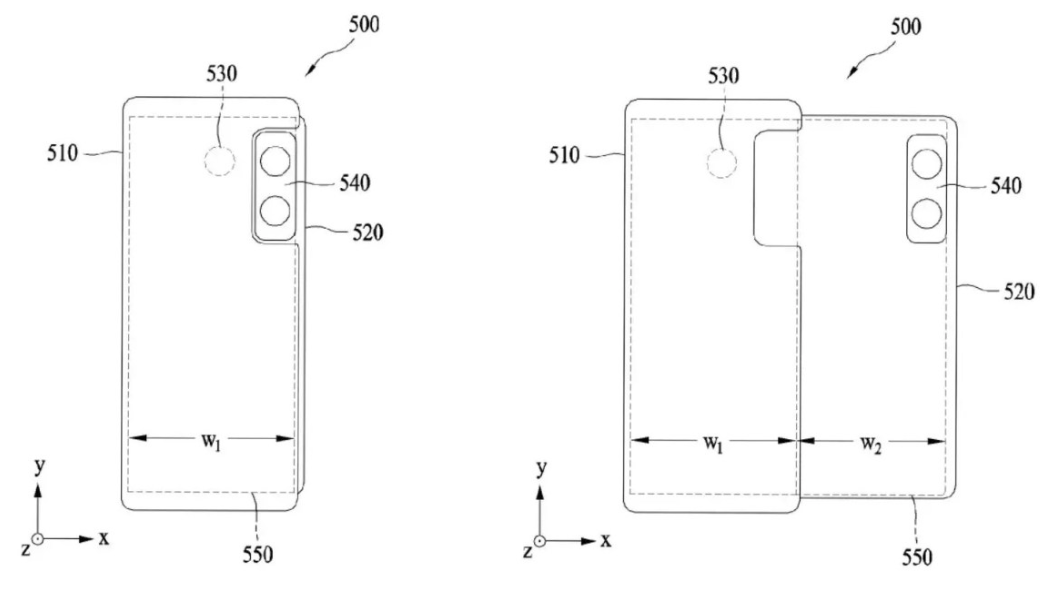
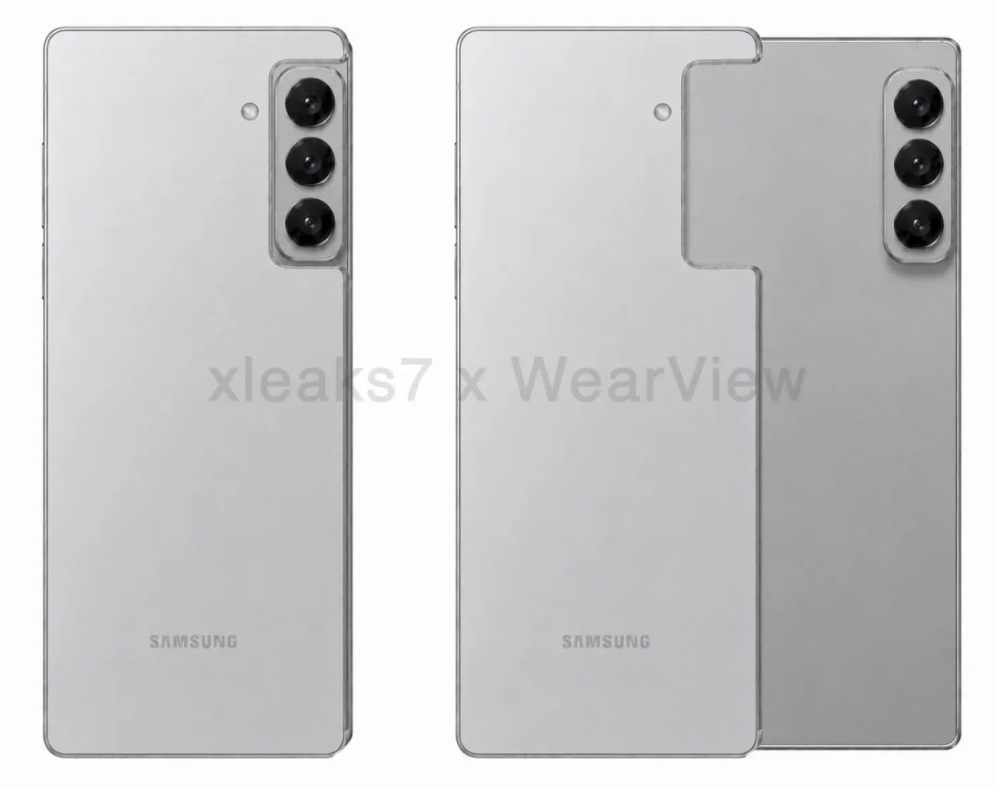
The technical layout detailed within the Samsung patent hints at a rollable phone with movable camera module report highlights a device that expands horizontally. Specifically, the flexible display unrolls from within the main chassis to stretch from a standard phone proportion into a wider, tablet-style canvas. To facilitate this expansion without adding excessive physical bulk, Samsung has engineered the rear camera array to travel dynamically with the moving frame.
- Recessed Camera Integration: In its default compact state, the vertically aligned rear camera array rests flush within a dedicated cutout slot in the frame. As a result, the closed device closely mirrors the look of a traditional flagship like the Samsung Galaxy S26 Ultra.
- Mechanical Slider Track: When the user initiates the rolling mechanism, the entire rear section hosting the lenses slides outward alongside the expanding screen.
- Intelligent Internal Hardware: Additionally, the filing highlights an array of tracking sensors. These sensors instantly calculate changes in the antenna position, camera alignment, and physical display dimensions as it slides.
Analysis: Eliminating the Durability Crease
The organisation of Samsung’s display division continues to search for ways to bypass the inherent compromises of current book-style foldables. Therefore, by focusing on rolling mechanics, they are attempting to address the prominent screen crease that plagues standard folding panels. While a rollable screen bends gradually around an internal roller rather than sharply at a hinge point, it entirely eliminates the tactile crease line.
Our Insight: We believe the moving camera array is a stroke of design brilliance. Because placing a camera module directly on top of a rolling display layer would normally force the device to be significantly thicker, shifting the lenses out on a separate motorized frame track allows the core structure to remain ultra-thin.
Tips for Following Next-Gen Display Tech
If the news that a Samsung patent hints at a rollable phone with movable camera module components has you anticipating the future, keep these tech realities in mind:
- Differentiate Concepts from Production: A patent filing is a legal protection of an idea rather than a commercial product roadmap. By tracking public prototype showcases at industry trade shows like MWC, you can better judge how close the hardware is to real-world deployment.
- Consider Mechanical Complexity: Rollable devices rely heavily on miniature motorized components to extend the screen smoothly. Specifically, look out for future news on how manufacturers plan to protect these internal tracks from dust, pocket lint, and debris ingress.
- Watch the Software Reflow: Pay close attention to how operating systems handle dynamic scaling. A true rollable requires a user interface that continuously adapts app layouts on the fly as the display extends, rather than snapping between fixed open and closed modes.
Final Thoughts
The revelation that a Samsung patent hints at a rollable phone with movable camera module integrations demonstrates that the brand is aggressively prototyping its next mobile chapter. By exploring motorized frame components alongside flexible OLED panels, Samsung is laying the groundwork for a future where premium productivity tools can effortlessly collapse down into everyday pocket-sized footprints.